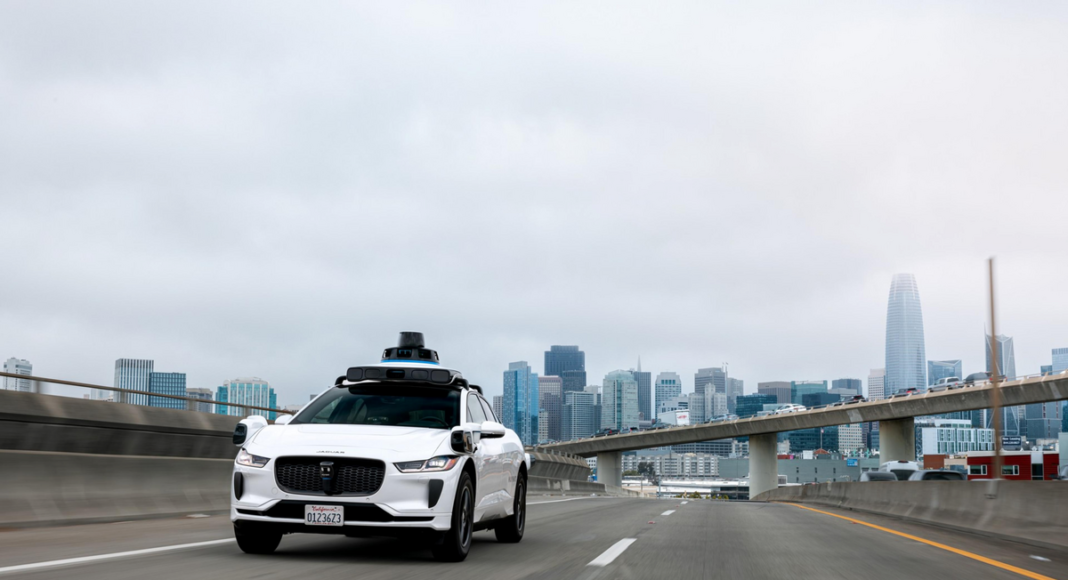

Waymo has temporarily suspended freeway rides for its robotaxis across the United States after California’s Department of Motor Vehicles restricted the company’s driverless freeway operations. The decision follows incidents in which Waymo vehicles entered active construction closures, raising concerns about how the autonomous system responds to changing road conditions.
What led to the restriction?
According to TechCrunch, California regulators cited three Waymo vehicles entering an active construction closure on US Route 101 near Burlingame, along with a separate incident involving California Highway Patrol vehicles on Highway 280 in San Francisco. The DMV said the freeway operations posed an imminent public-safety hazard and will remain restricted until Waymo demonstrates effective corrective action.
Waymo has complied with the California order and has also temporarily restricted freeway operations in its other markets while it reviews performance. The company said the reported encounters did not involve injuries or collisions, and that its ride-hailing service continues on surface streets.
Why freeway access matters
Freeway travel is important to robotaxi services because it can shorten journeys between city centers, suburbs and airports. Waymo began offering freeway rides in late 2025, making the capability a key part of its expansion in major metropolitan areas. The company currently operates commercially in 15 US cities.
A test for autonomous-vehicle safety
The pause highlights the challenge of deploying driverless vehicles in complex environments. Construction zones can involve temporary lane changes, cones, workers and unusual traffic patterns that are difficult for automated systems to interpret. Waymo will need to show regulators that its corrective measures reliably address those situations before freeway service can resume.
Source: TechCrunch — Waymo suspends freeway rides nationwide after California DMV order, by Kirsten Korosec, November 17, 2026.